Contents
GPT-5.5 is OpenAI's latest iteration of its flagship AI model, and the jump from GPT-5 is more meaningful than the version bump suggests. Launched on April 23, 2026 for ChatGPT Plus, Pro, Business, and Enterprise users — with GPT-5.5 Instant rolling out as the new default on May 5 — this model brings native computer use, substantially fewer hallucinations in critical domains, and a new level of memory transparency that gives users more control over how the AI personalizes responses.
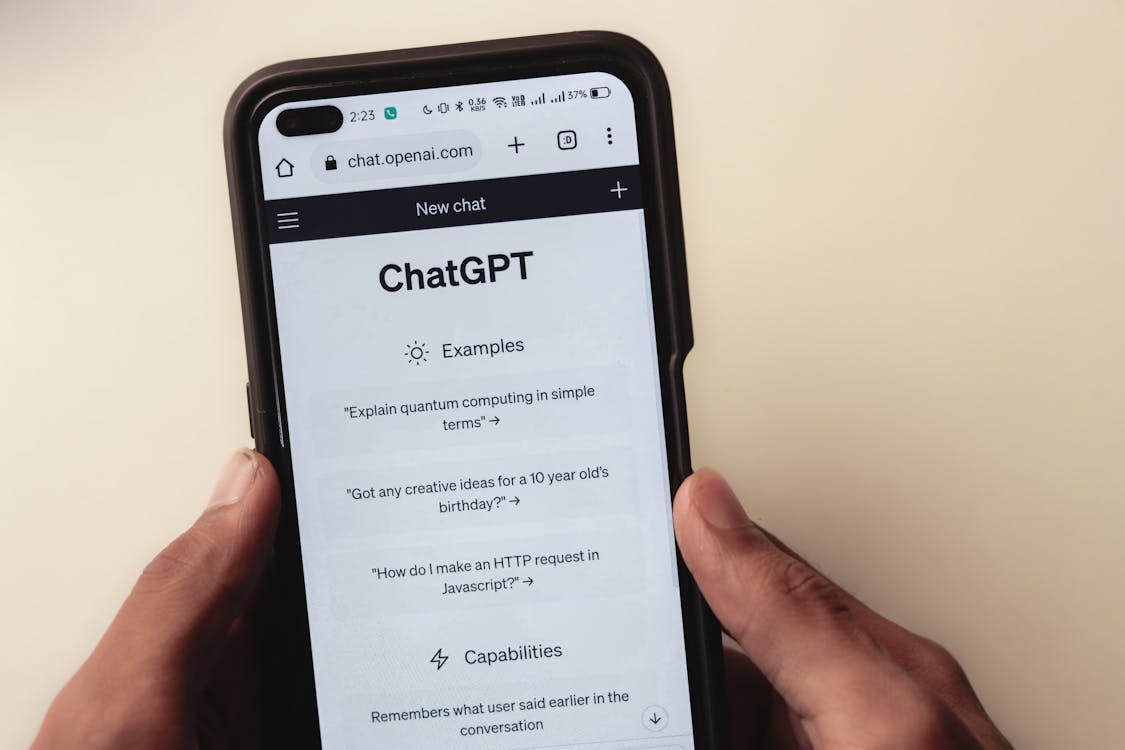
What's Actually New in GPT-5.5
Native Computer Use
The most headline-grabbing addition is native computer use — GPT-5.5 can now interact with your desktop or browser environment directly, executing tasks like clicking buttons, filling out forms, or navigating websites. This moves it closer to a true AI agent that doesn't just answer questions but actually gets things done on your computer.
OpenAI has positioned this as a foundation for agentic workflows, where GPT-5.5 can automate multi-step tasks without requiring a human to manually carry out each action.
Fewer Hallucinations — In Some Areas
GPT-5.5 shows a 52.5% reduction in hallucinations on high-risk topics, specifically medicine, law, and finance. For enterprise deployments, the headline figure is a 60% improvement over its predecessor, GPT-5.4.
That said, independent benchmarks tell a more complicated story. Some evaluations show GPT-5.5 hallucinating at around 86% on tests designed to measure broad factual accuracy — higher than competitors like Claude and Gemini. The key takeaway: GPT-5.5 is significantly more reliable in structured professional domains, but still needs careful prompting for general factual queries.
Memory Sources Transparency
A genuinely useful new feature is "memory sources" — a panel that shows exactly which pieces of context (past conversations, saved reminders, or uploaded files) influenced the model's current response. Users can correct or remove individual entries, giving much more granular control over how the AI remembers and uses personal information.
This directly addresses a long-standing frustration: users couldn't always tell why ChatGPT was behaving differently based on accumulated memory. Now it's auditable.
GPT-5.5 vs. GPT-5.5 Instant: What's the Difference?
GPT-5.5 is the full model available to premium subscribers (Plus, Pro, Business, Enterprise). GPT-5.5 Instant, which launched on May 5, is a faster, lighter version that became the new default for broader users. Instant prioritizes speed and lower cost while retaining most of the hallucination improvements. The full GPT-5.5 is better suited for complex reasoning, long documents, and agentic tasks.
Benchmark Performance
GPT-5.5 shows strong gains across several areas:
- Math and science reasoning tasks
- Visual reasoning (interpreting charts, diagrams, and images)
- Code generation and software engineering benchmarks
- Agentic performance (multi-step task completion)
It remains competitive with Anthropic's Claude and Google's Gemini across most benchmarks, though each model has categories where it outperforms the others. The coding improvements, combined with computer use, make GPT-5.5 a strong choice for developer workflows in particular.
How to Access GPT-5.5
GPT-5.5 is available in ChatGPT under the model selector. ChatGPT Plus costs $20/month, Pro costs $200/month with priority access and higher rate limits. API access is available for developers through OpenAI's platform. GPT-5.5 Instant is the default model for free-tier users, subject to usage limits.
If you want to try ChatGPT and GPT-5.5 without tying the account to your primary email, you can use a disposable address from app.fasttempmail.com to complete the signup — useful if you're evaluating the platform before committing to a paid plan.
Is GPT-5.5 Worth Upgrading To?
For power users and developers, yes. The native computer use alone opens up workflows that weren't practical before. The hallucination improvements in professional domains make it meaningfully more reliable for legal research, medical queries, and financial analysis. The memory transparency feature is a quality-of-life improvement that should have shipped earlier.
For casual users on the free tier, GPT-5.5 Instant provides a noticeable improvement without requiring a subscription change. OpenAI has done a good job of filtering the most useful improvements down to the free experience, even if the flagship features remain paywalled.
FAQ
When did GPT-5.5 launch? GPT-5.5 launched on April 23, 2026, for ChatGPT Plus, Pro, Business, and Enterprise users. GPT-5.5 Instant became the new default model on May 5, 2026.
Does GPT-5.5 really hallucinate less? In high-risk domains like medicine, law, and finance, yes — OpenAI reports a 52.5% reduction. On broader factual benchmarks, independent testing shows hallucination rates can still be high, so it's best to verify important claims independently.
What is GPT-5.5's computer use feature? It allows the model to directly interact with desktop and browser environments — clicking buttons, filling forms, and navigating apps — enabling true agentic task automation without manual intervention.
Is GPT-5.5 available for free? The lightweight GPT-5.5 Instant is available to free ChatGPT users with usage limits. The full GPT-5.5 model requires a paid subscription starting at $20/month.
Also protect your IP address
NordVPN — audited no-logs policy, 111 countries. Sponsored
Share this article
Written by
Ajjlal Ahmed — creator of FastTempMail, a privacy-focused disposable email service. Passionate about tools that respect users.
View portfolioRelated articles
Gemini 4 Argon: Features, Benchmarks, Price and Release Date
Gemini 4 Argon launched September 30, 2026 with a 1M-token output limit and a defenders-first rollout. Features, benchmarks, price and access dates.
YouTube Now Auto-Labels AI-Generated Videos: What Creators Need to Know
YouTube started automatically detecting and labeling AI-generated content in May 2026. Here's how the system works, what triggers it, and what creators should do.
AI Is Now the Biggest Cybersecurity Risk of 2026, Says WEF
94% of organizations say AI is the top driver of cyber risk this year. Here's what the World Economic Forum's 2026 report reveals and how to stay safe.